TransPerfect Pulse: Sports, Finance, and Global Execution

Naming Rights | In: Webull (Tampa Bay Rays jersey patch—with a nod to the hurricane recovery). Out: Legacy insurance brands losing ground to high-growth neobanks. |
Jerseys | The NCAA Patch: Starting August 2026, the NCAA will allow sponsor patches (D1 teams are allowed 2 logos on uniforms/apparel and one on their equipment). Expect a massive land grab by regional credit unions to own local university inventory as they target alumni associations—a demographic offering high-net-worth penetration outside the bank’s home market. |
Top-Tier Events | Bank of America x FIFA 2026: BofA is the Official Bank Sponsor for the upcoming World Cup. It’s using Visa-integrated sweepstakes to drive card acquisition by offering three hospitality packages to attend the World Cup Finals/Semis/Q-finals in high style . |
Regions | FL/LatAm Growth: Led by Nubank, LatAm is now the fastest-growing region for sports-fintech partnerships. Tapping into the Messi Madness, they bought the naming rights for Inter Miami CF’s new stadium: welcome to “Nu Stadium.” It is not uncharted territory: the first Brazilian digital bank with MLS stadium naming rights was Inter & Co in Orlando. |
The High-Speed Ledger: F1’s New Rights
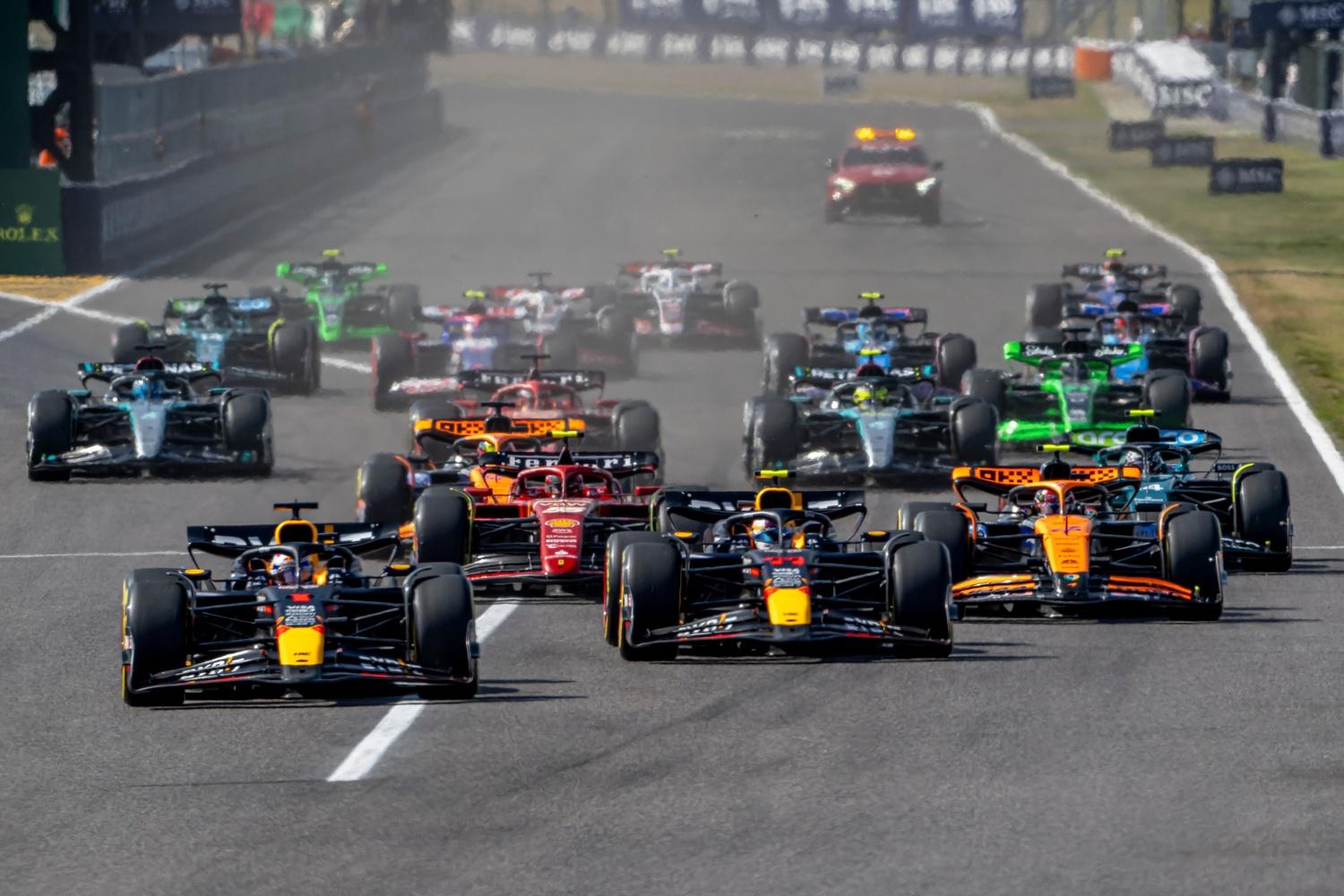
For decades, Formula 1 sponsorships were about visibility, logos on cars, brand awareness, and global impressions. But in 2026, that model feels outdated.
Today, F1 has evolved into something far more powerful: a global financial ecosystem. The sport is no longer just a marketing platform—it’s a live testing ground for financial infrastructure, digital payments, and customer acquisition at scale.
Financial services companies aren’t just sponsoring teams anymore. They’re embedding themselves into the sport’s commerce layer, turning fans into users and transactions into long-term relationships. This shift is also shaping a new fan monetization strategy across the grid.
The 2026 Financial Grid: Who’s Partnered with Whom?
Across the paddock, each team now represents a different strategic approach to finance, technology, and global reach, highlighting how fintech partnerships in sports are reshaping the competitive landscape.
McLaren Racing: Mastercard + Airwallex
McLaren has built what might be the most sophisticated “tech stack” in Formula 1.
Mastercard provides the global trust layer and brand recognition, while Airwallex powers the infrastructure behind the scenes. Together, they’ve created a fully integrated, always-on, direct-to-fan commerce engine, combining Mastercard’s Priceless platform with Airwallex’s borderless payments to serve a global fanbase in real time—an example of global payments infrastructure powering engagement at scale.
Audi F1 Team: Revolut
Revolut’s evolution is unmistakable. Once a challenger bank, it now steps into the spotlight as a title partner with Audi.
The move signals something bigger than branding—Revolut is leveraging Audi’s engineering credibility to reinforce its own transition into a fully licensed, globally trusted financial institution, particularly as it eyes expansion in the US.
Racing Bulls (Visa Cash App RB): Visa + Cash App
This partnership is laser-focused on the next generation of users.
Following the Miami Grand Prix, Cash App saw a 24% increase in card activations among 18–34-year-olds. Initiatives like the “Chameleon Card” show how financial products are being launched and scaled through cultural moments, turning race weekends into acquisition funnels and advancing a modern fan monetization strategy.
Mercedes-AMG Petronas: Nasdaq + Nubank + UBS
Mercedes has assembled a financial “super-team.”
By combining a global exchange, a leading Latin American fintech, and a Swiss wealth management giant, the team positions itself as the premier hub for institutional-grade finance and B2B relationships within the sport.
Aston Martin: Coinbase
For Coinbase, Formula 1 is about credibility.
In a more regulated crypto environment, the partnership demonstrates that its platform can meet the compliance and technical standards required by elite global brands.
Williams Racing: Kraken
Williams and Kraken are rewriting the crypto playbook.
Moving away from hype-driven messaging, their campaign—Tradition Meets the Frontier—leans on Williams’ heritage to build trust with more cautious investors. Initiatives like digital collectibles and fan reward programs turn engagement into participation, reinforcing how fintech partnerships in sports are evolving beyond branding into product integration.
The Legacy vs. Digital Frontline: From Stadiums to the Pitch
The battle between traditional financial institutions and digital-first challengers is no longer theoretical. It’s playing out in real time across global sports.
At its core, this shift is about trust and data.
Who owns the customer relationship? Who controls the transaction layer? And ultimately, who earns the loyalty of the next generation?
The Barcelona Battle: Revolut vs. CaixaBank
Few examples capture this tension better than what’s unfolding in Spain.
Revolut is reportedly in talks to replace CaixaBank as a primary sponsor of FC Barcelona, a role CaixaBank held for decades. The timing is significant: CaixaBank’s deal ended in mid-2025, opening the door for disruption.
Revolut is making its ambitions clear. With millions of customers in Spain and a rapidly growing presence, it’s investing heavily in physical and symbolic visibility—securing a major Barcelona headquarters and branding a historic city landmark.
The numbers tell a deeper story. CaixaBank remains a €70B institution, but Revolut is closing the gap fast, with a valuation hovering around €65B and strong regulatory momentum, including progress on UK and US banking licenses.
This isn’t just a sponsorship battle. It’s a collision between legacy scale and digital speed—and a defining moment for the modern sports financial ecosystem.
JPMorgan Chase and the Athlete Economy
Meanwhile, traditional giants are adapting in their own way. JPMorgan Chase has launched an Athlete Council led by high-profile figures like Dwyane Wade, Megan Rapinoe, Sue Bird, and Tom Brady.
The initiative addresses a harsh reality: only a tiny percentage of athletes go pro, careers are short, and financial instability after retirement is common.
Rather than focusing on branding, JPMorgan is moving into tailored financial services, helping athletes manage volatile income cycles and build long-term wealth.
American Express and the Stadium Ecosystem
At the venue level, integration is becoming just as important as visibility. American Express has expanded its presence by becoming the official payments partner for major US stadiums, including MetLife Stadium and Mercedes-Benz Stadium.
The strategy is simple but powerful: turn stadiums into high-conversion retail environments.
Cardmembers gain access to fast lanes, exclusive merchandise, and premium experiences—embedding payments directly into the fan journey and redefining financial services sponsorships at the venue level.
What we’re witnessing is a fundamental shift. Sports, especially Formula 1, are no longer just platforms for exposure. They’re becoming financial ecosystems, where infrastructure, data, and user experience matter more than logo placement.
The winners in this new era won’t just be the most visible brands. They’ll be the ones that successfully turn fans into customers and customers into lifelong users.
Stay Ahead
For more insights on the intersection of finance, technology, and global sports, subscribe to our newsletter and stay ahead of what’s next.